
Top Features to Look for When Buying a Power Bank
In today’s fast-paced world, staying connected is crucial, and a reliable power bank can be a lifesaver when your phone or tablet runs low on battery. With so many options available, selecting the right portable charger can feel overwhelming. Buyers must consider several factors to make a decision that balances convenience, performance, and safety. Power banks differ in capacity, charging speed, portability, and additional features, making some better suited for travel, gaming, or everyday use. Understanding these distinctions helps avoid disappointment and ensures your devices remain charged when needed most. This guide explores the top features to look for when buying a power bank, highlighting five essential aspects that matter for any tech user.
Battery Capacity
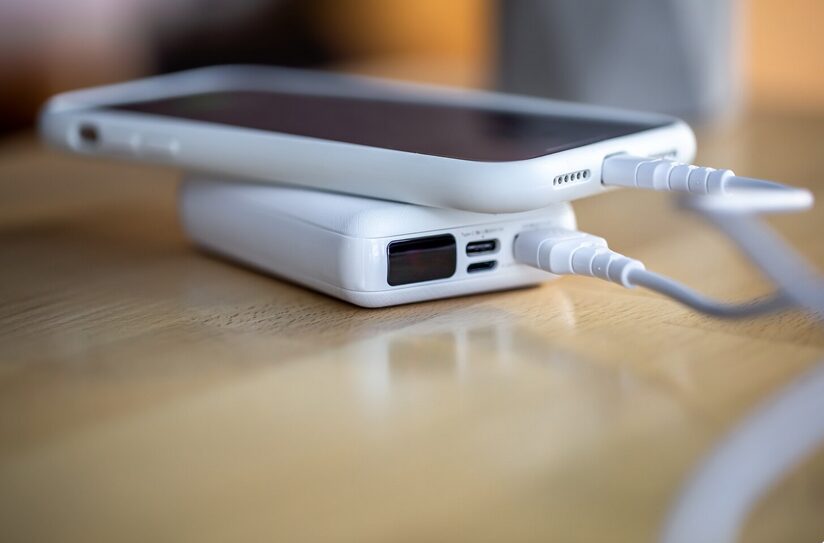
The first and most critical feature to consider is the battery capacity, measured in milliampere-hours (mAh). This figure indicates how much charge the power bank can store and how many times it can recharge your devices. For example, a 10,000mAh power bank can usually charge a standard smartphone two to three times, while a 20,000mAh model is suitable for multiple devices or tablets. Buyers should match capacity to their usage patterns: frequent travelers may need higher-capacity units, whereas casual users can manage with a smaller, more compact charger. Knowing your device’s battery size helps in choosing a power bank that delivers adequate backup without unnecessary bulk.
Charging Speed
Charging speed is another essential consideration. Power banks come with different output ratings, typically ranging from 1A to 3A per port, with some supporting fast-charging technologies. A higher output allows your device to charge more quickly, which can be a game-changer in emergencies. Some models feature multiple ports with varying speeds, enabling simultaneous charging of a phone and tablet. Check if the power bank supports Quick Charge, Power Delivery, or other fast-charging protocols compatible with your devices. Selecting the right charging speed prevents prolonged downtime and improves overall efficiency for both personal and professional use.
Port Options and Compatibility
A versatile power bank should offer a range of ports to accommodate various devices. Many power banks include USB-A, USB-C, and micro-USB ports to support phones, tablets, cameras, and other electronics. Some also feature pass-through charging, which allows the power bank itself to charge while simultaneously powering your device. Considering compatibility with your gadgets avoids frustration and ensures you can use the charger for multiple purposes. Additionally, power banks with dual or triple ports increase convenience, allowing several devices to charge simultaneously without needing multiple units. Port variety enhances flexibility and maximizes the usefulness of your investment.
Portability and Design
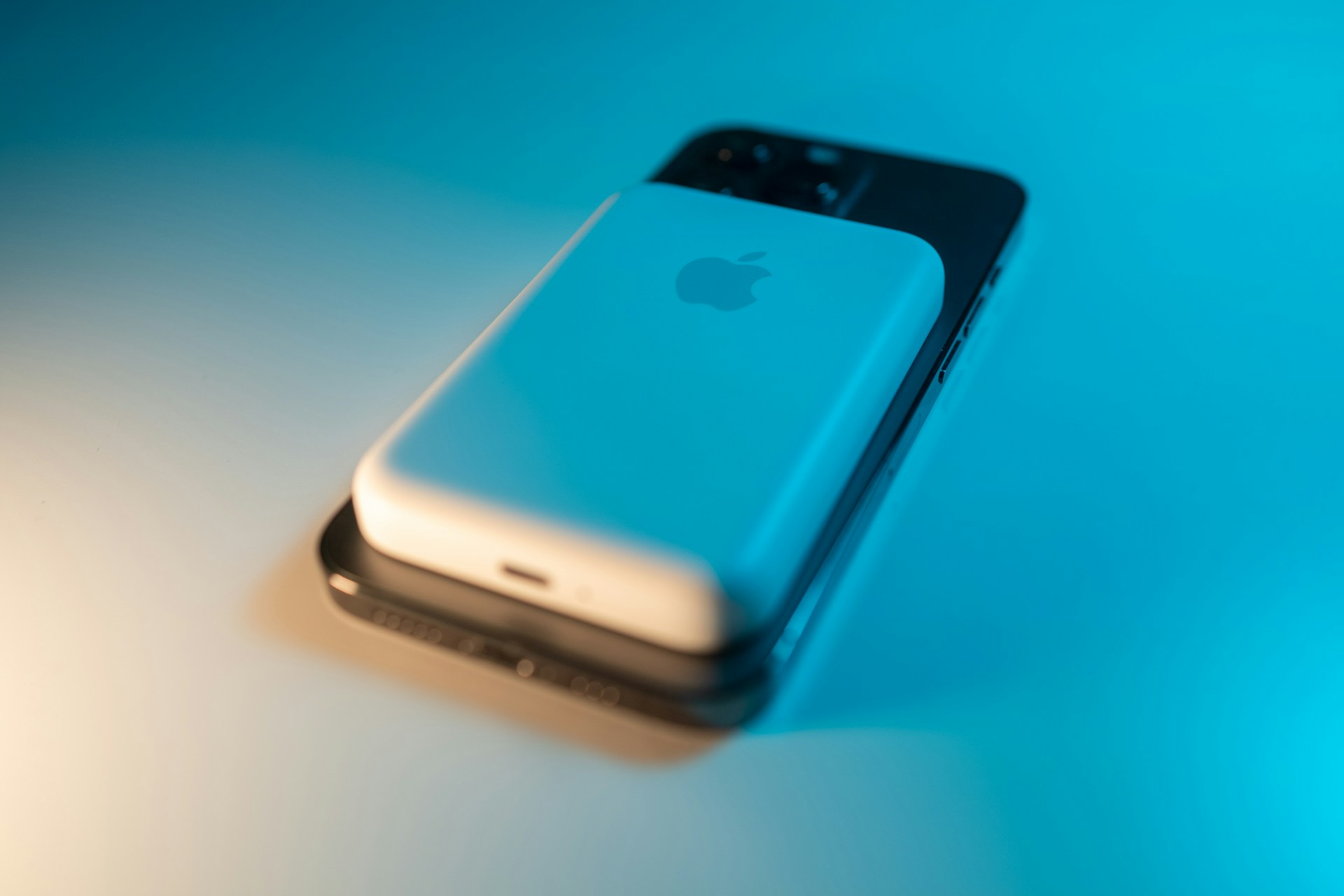
Portability is a key factor, especially for those who travel frequently or carry devices throughout the day. Power banks vary in size, weight, and form factor, from pocket-sized units to larger, high-capacity models. Lightweight and compact designs are easier to carry in bags, purses, or pockets, while bulkier options may provide extra power but can be cumbersome. Some models also include rugged or water-resistant casings, which are ideal for outdoor activities. Balancing size and capacity is essential: …